

Maximizing Space and Efficiency: Understanding Solar Rooftop Walkways
Jan 22,2026

---
Solar rooftop walkways represent a fascinating intersection of functionality and sustainability in modern architecture. As urban spaces become more crowded, the need for innovative solutions that maximize usable space while promoting energy efficiency has never been greater. A solar rooftop walkway serves as an effective way to utilize often underused rooftop areas, transforming them into active and beneficial spaces.
At its core, a solar rooftop walkway is designed to provide safe access to solar panels installed on rooftops, allowing maintenance personnel to navigate these areas without damaging the solar array. This makes regular inspections and repairs straightforward and less prone to accidents. Additionally, the walkway itself can be constructed using materials that are lightweight yet durable, which minimizes any additional structural load on the building.
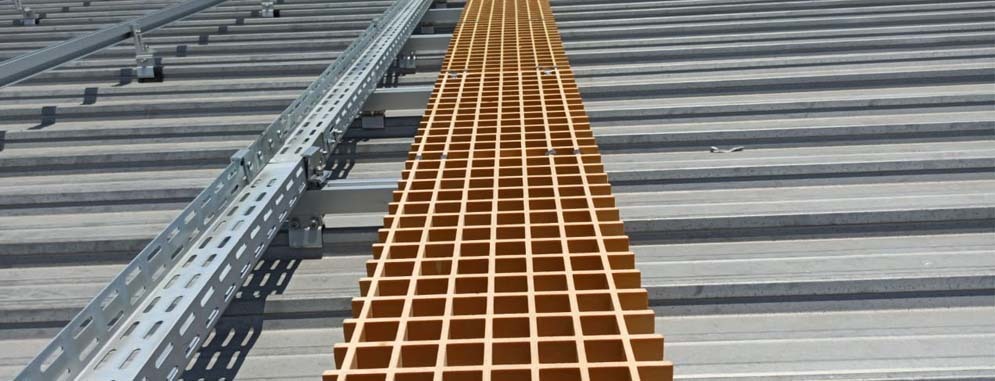
One of the primary advantages of installing solar rooftop walkways is the promotion of renewable energy use. By allowing easy access to solar panels, building owners can ensure that their solar energy systems are regularly maintained, optimizing their efficiency and lifespan. Regular maintenance can help identify issues before they become significant problems, ensuring that the solar panels operate at peak performance. This proactive approach not only saves energy but also reduces long-term maintenance costs.
Another key benefit of solar rooftop walkways is their potential contribution to green building certification programs. Many green building initiatives encourage the integration of sustainable practices and technologies. By incorporating solar panels and providing safe access through walkways, buildings can achieve higher sustainability ratings, making them more attractive to environmentally-conscious tenants and buyers.
When designing a solar rooftop walkway, several factors must be considered. Safety is paramount; the walkway should feature non-slip surfaces and adequate railings. Additionally, the materials used should be resistant to weathering, UV exposure, and potential thermal expansion. A well-designed walkway should also be lightweight to avoid overloading the rooftop structure while still providing the necessary strength for foot traffic.
Maintenance of solar rooftop walkways is relatively straightforward. Regular inspections should be conducted to ensure that the walkway remains in good condition, particularly after inclement weather. Cleaning the walkway and the solar panels to remove debris can further enhance the system's efficiency and longevity.
In conclusion, solar rooftop walkways offer a unique solution for maximizing the utility of rooftop spaces while promoting renewable energy use. With the right design and maintenance strategies, they can serve as valuable assets in both residential and commercial buildings, enhancing safety, accessibility, and sustainability. For those looking to optimize their rooftop environments, considering a solar rooftop walkway could be a step in the right direction.
Consult Now
If you are interested in our products, please leave your email and we will contact you as soon as possible. Thank you!
CONTACT US
Address : RM 901, Building No. 11th, Xinglin Bay Operation Center, Jimei Dist, Xiamen, China.
SUBSCRIBE US
Please read on, stay posted, subscribe, and we
welcome you to tell us what you think.